
Wendover historic airfield
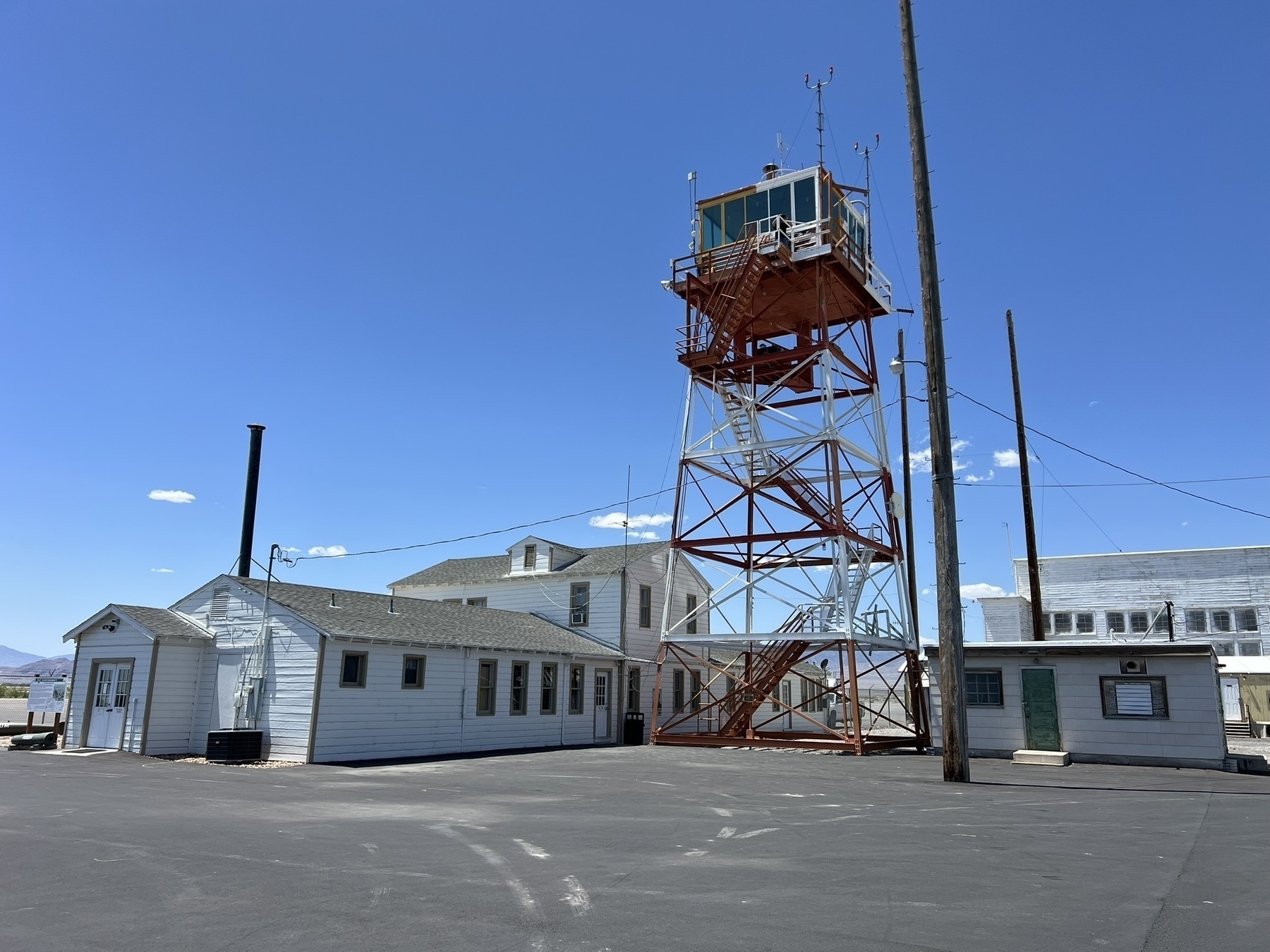
One of the unexpected surprises of our Utah-Idaho trip, we toured the historic airfield at Wendover, Utah. At one time, it was among the busiest air bases in the country.
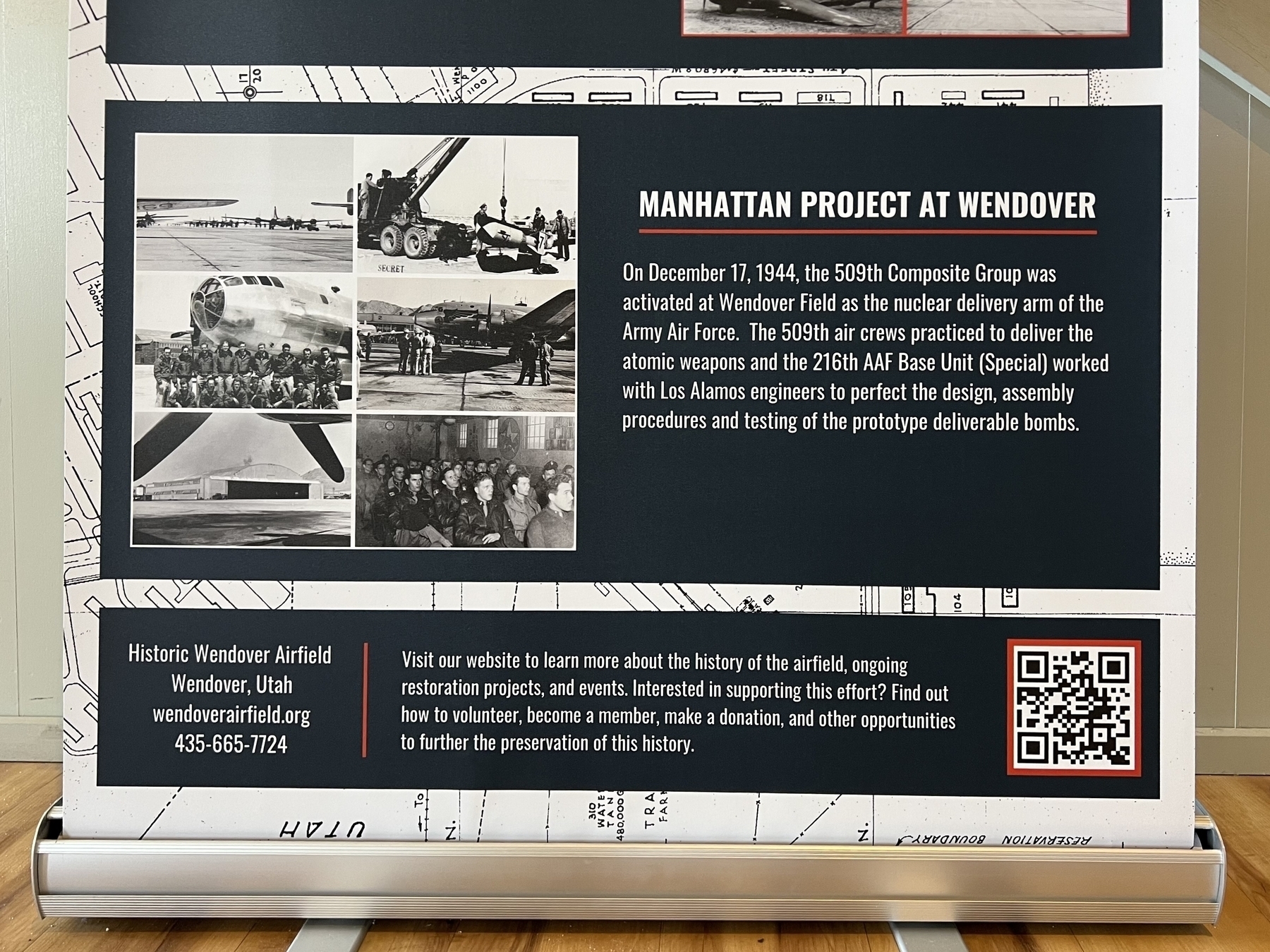
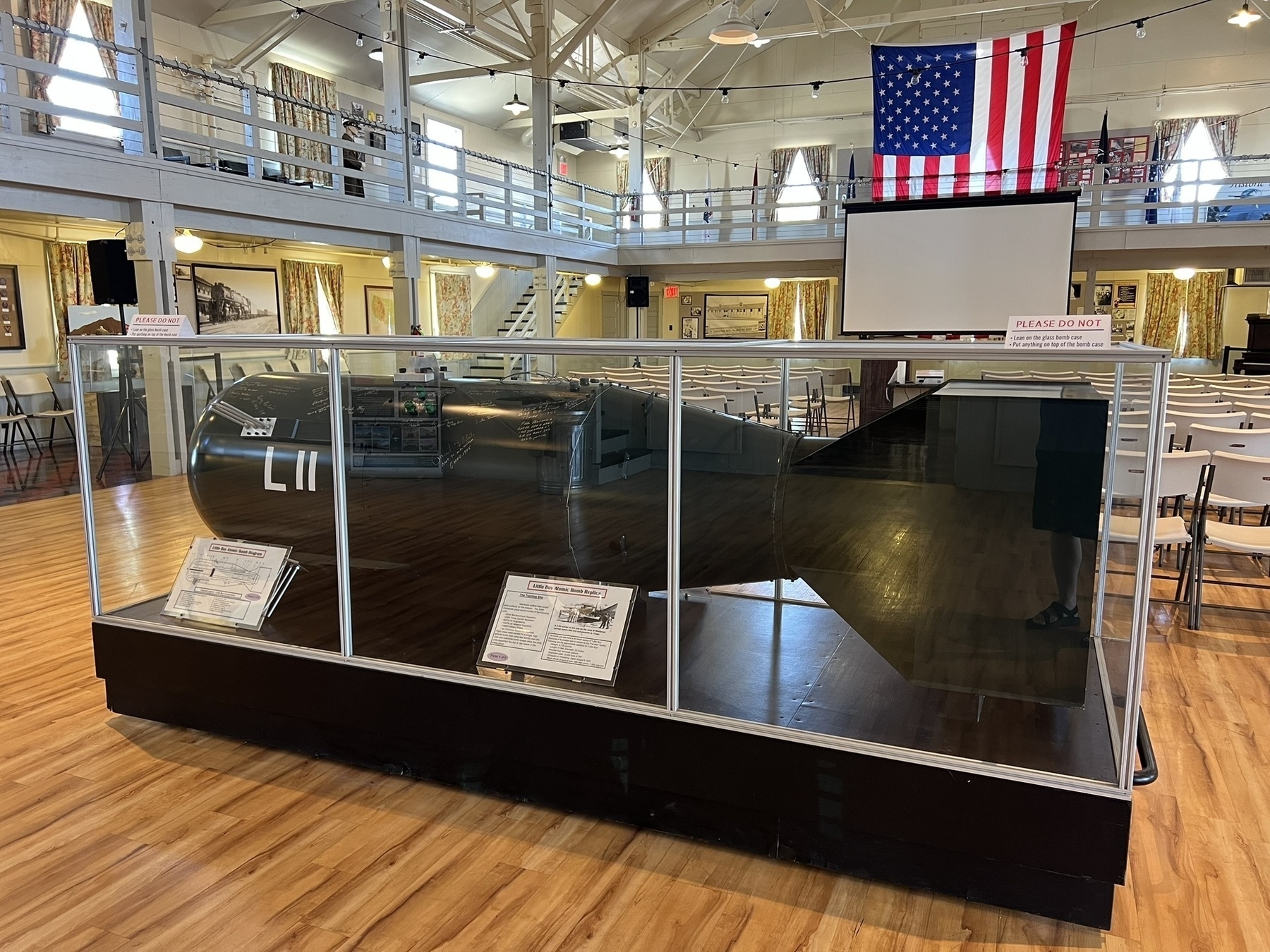
We stopped by because it became home to the secret squadron tasked with training to drop the atomic bomb—an important objective in our quest to see the major sites of the Manhattan Project.
The museum was worth a visit, but not a must-do. Instead, I’d recommend the “behind the scenes tour,” which is the same price but loads more interesting. I won’t get into all the details here, but the base was responsible for a number of important facets of the last phase of the Manhattan Project: successfully preparing to actually drop the bomb.
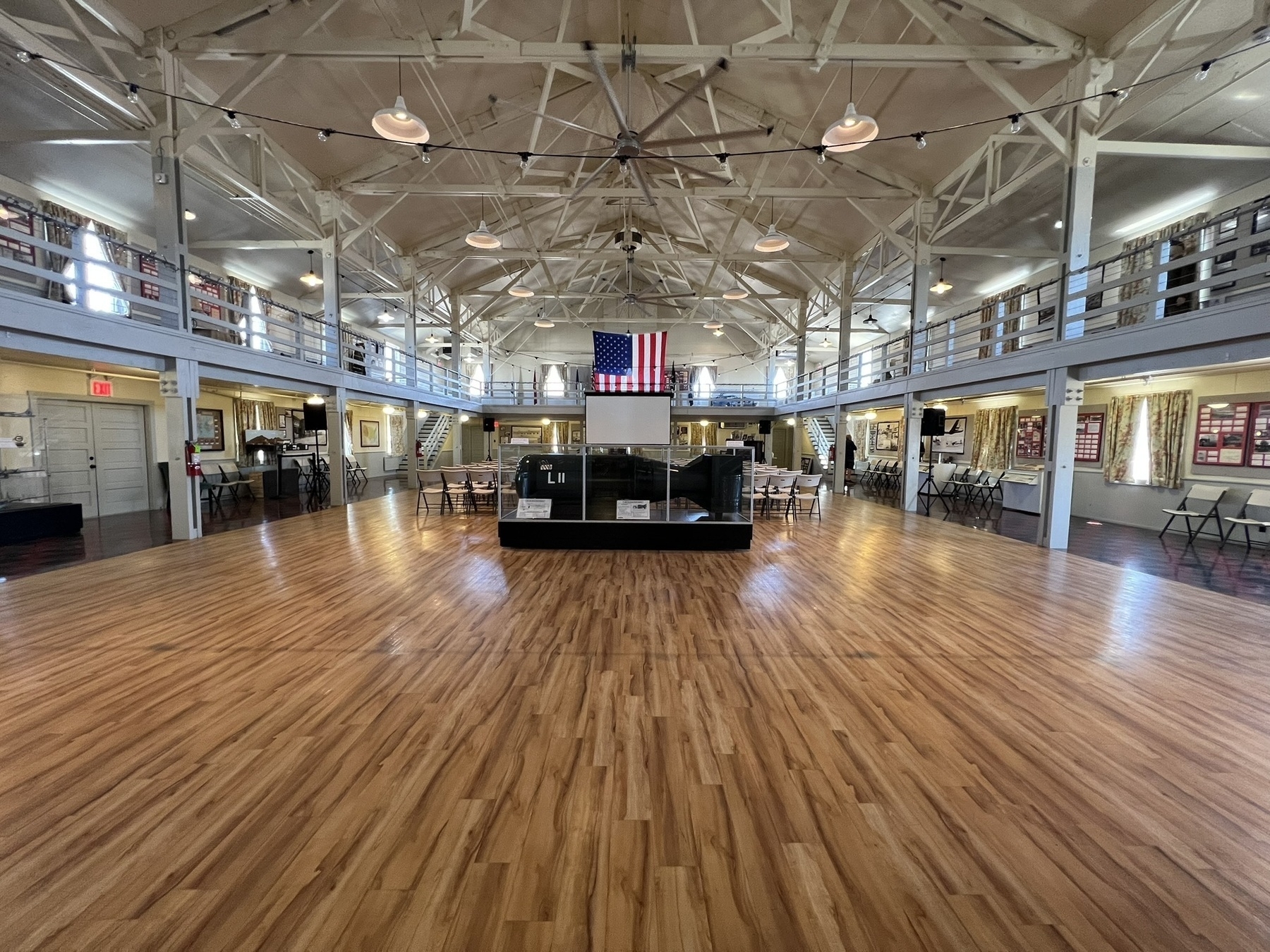
The museum
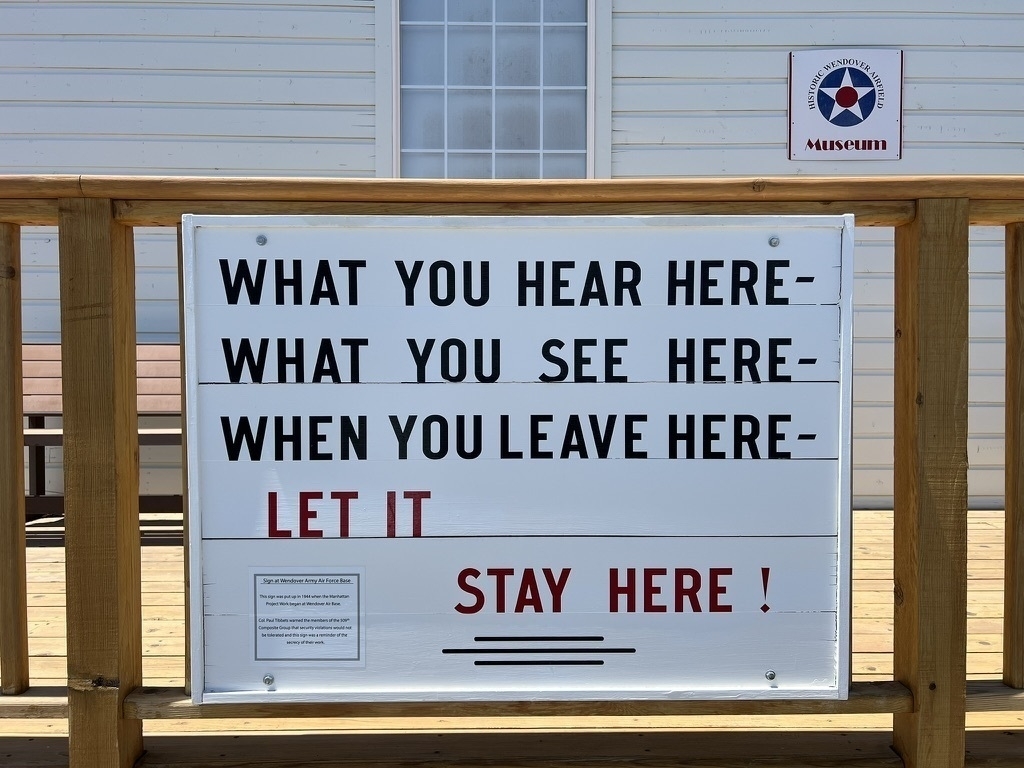
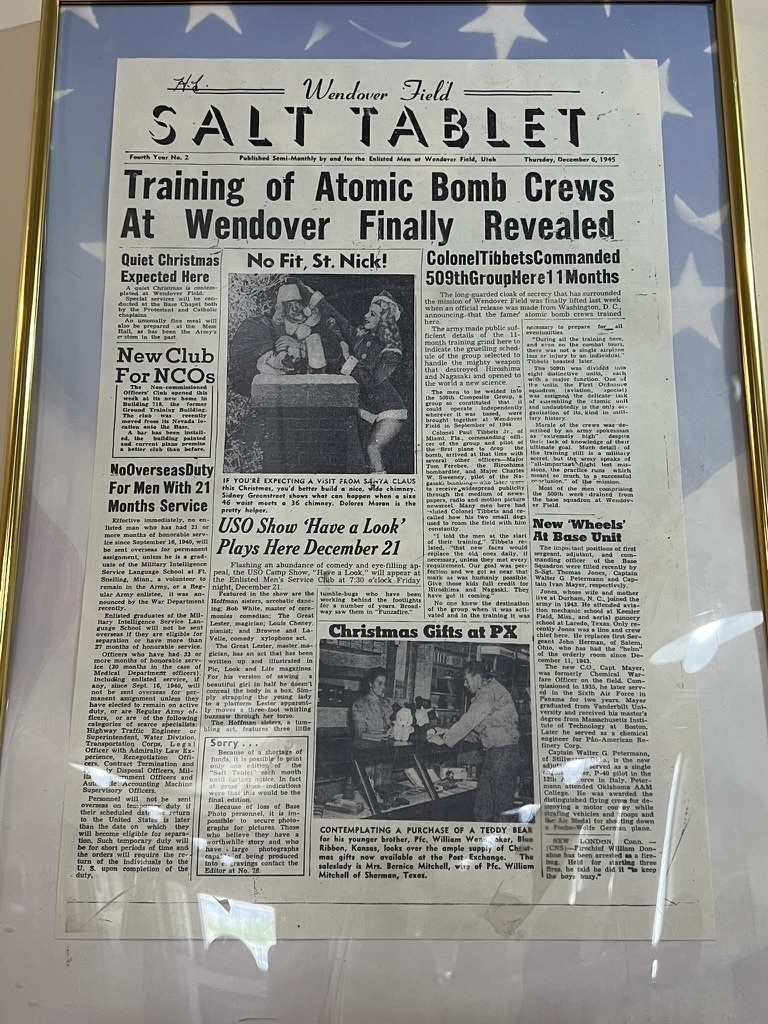
The airfield tour
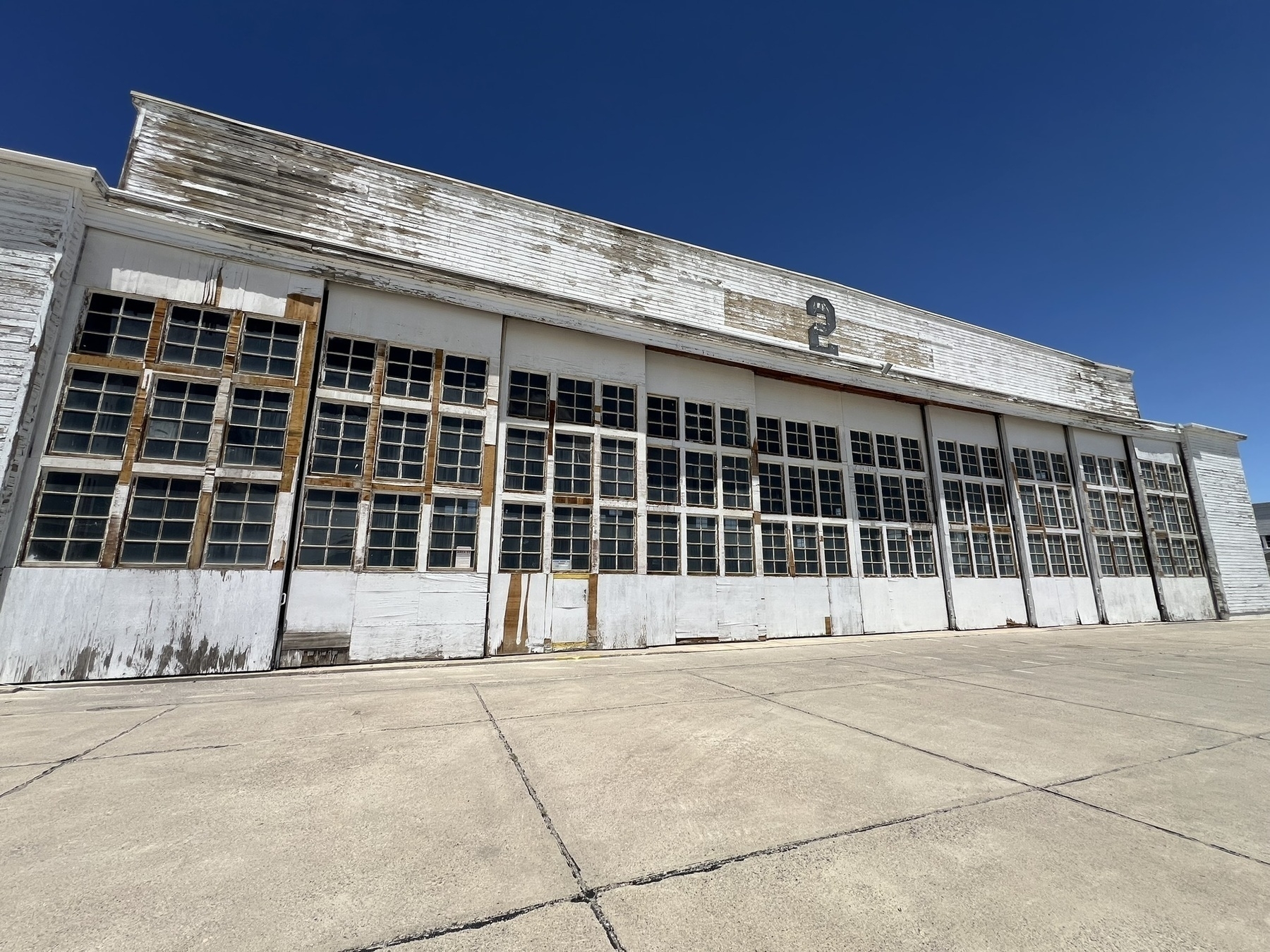
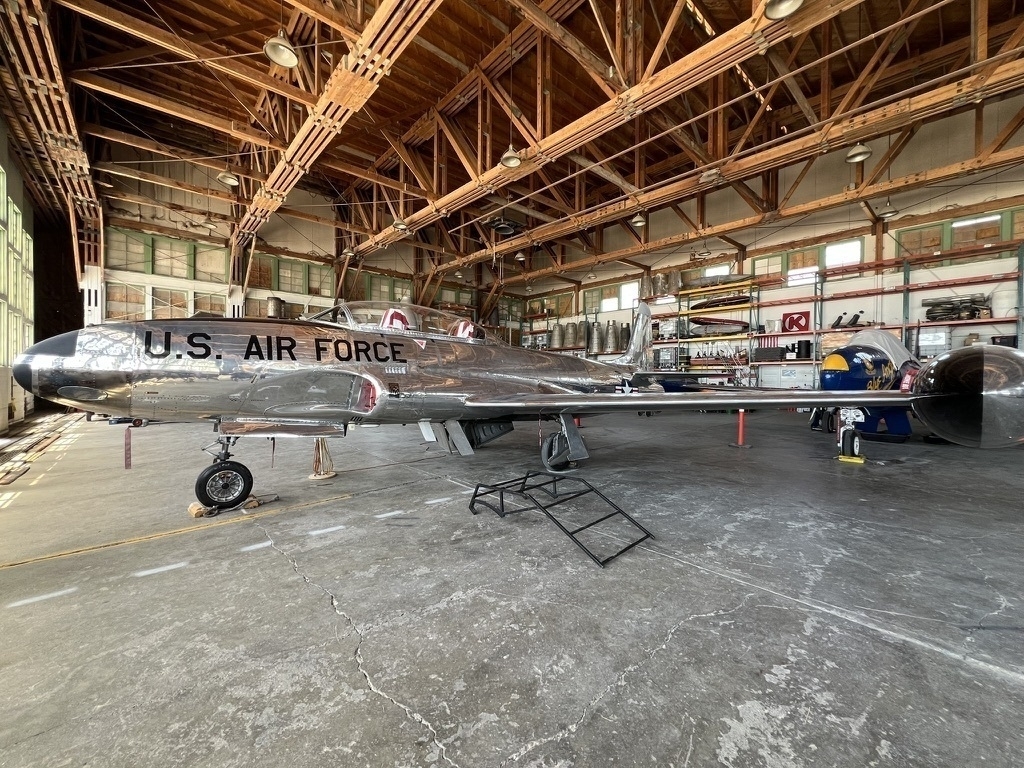
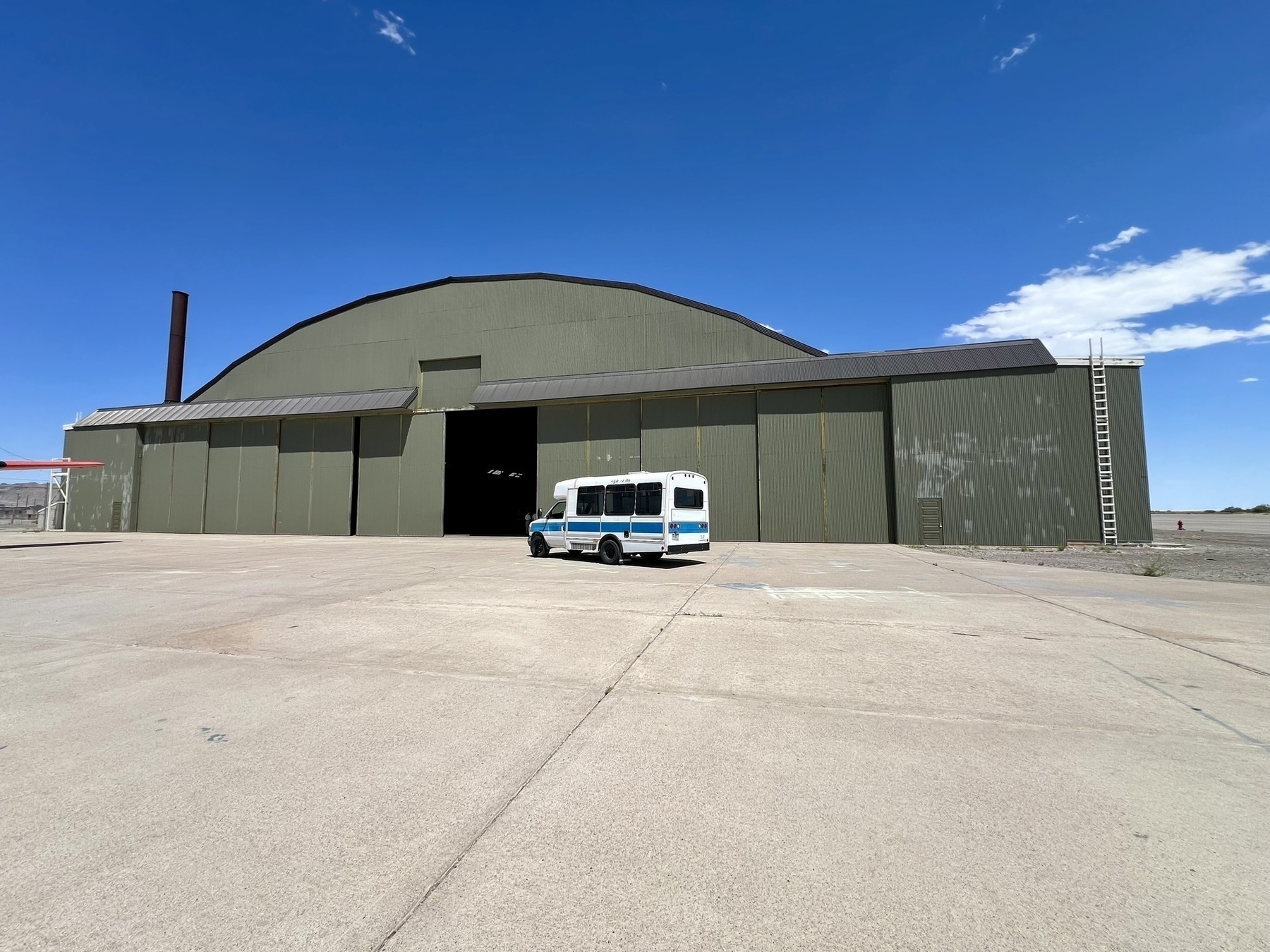
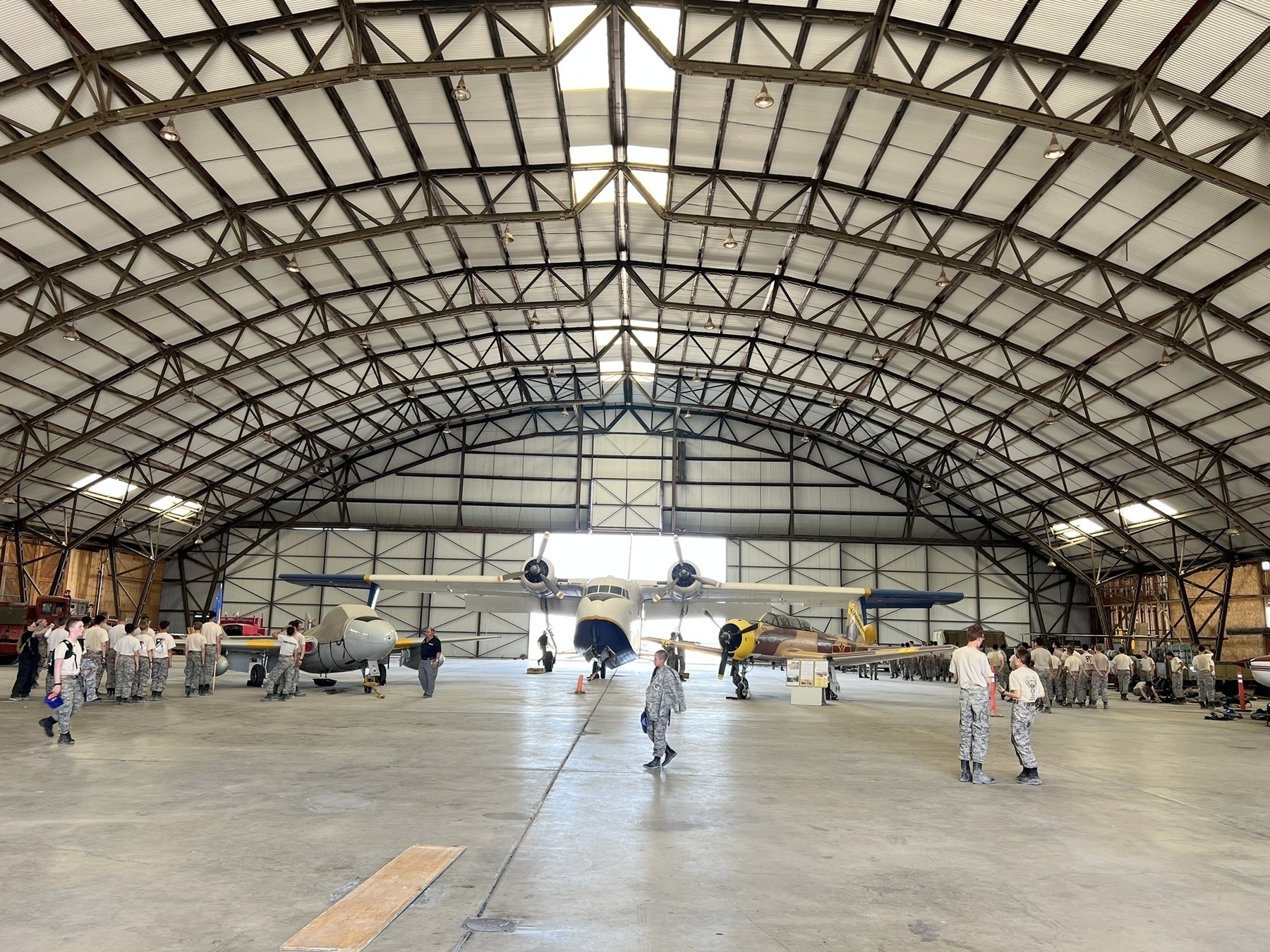
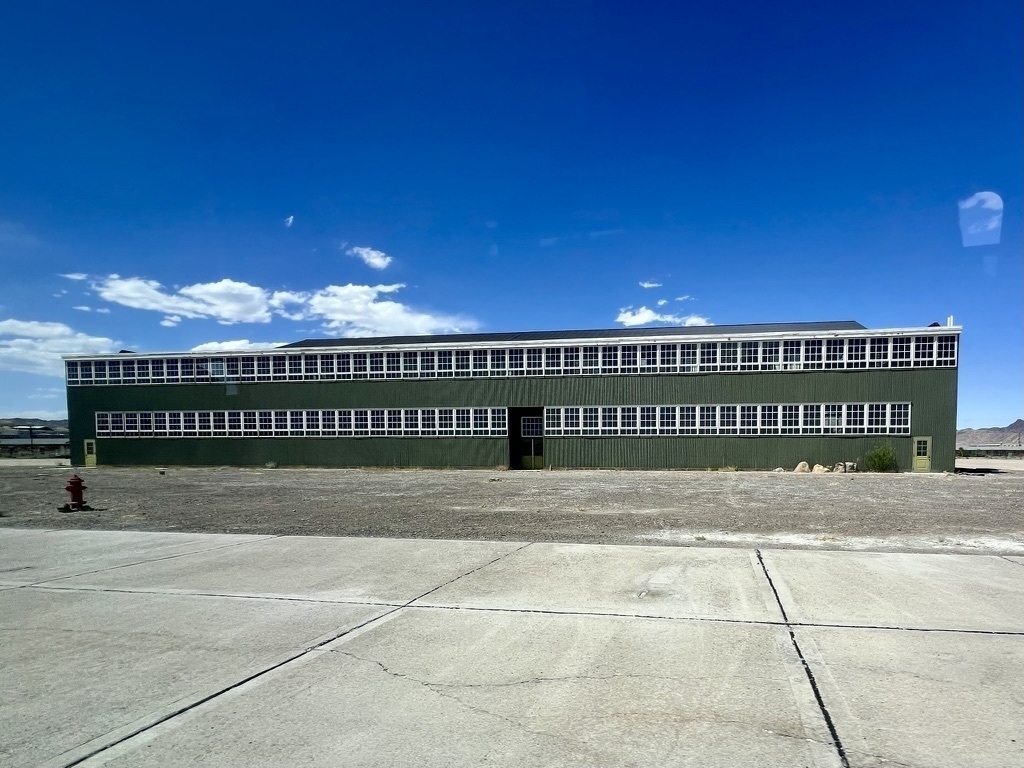
This tour was a bus tour to various important buildings on the edge of the tarmac. We toured a large hanger, a fire station that had once been the bombardier training facility, and the vault building where the all-important Norden Bombsights were securely stored.
The best part of the tour was that each of the participants was given a “role.” Jen, for instance, was the navigator and I was the bombardier; others were the pilot, co-pilot, gunner, etc. Then throughout the tour, the docent would explain each of our roles and even have us role-play particular aspects of the mission.
The Enola Gay Hanger
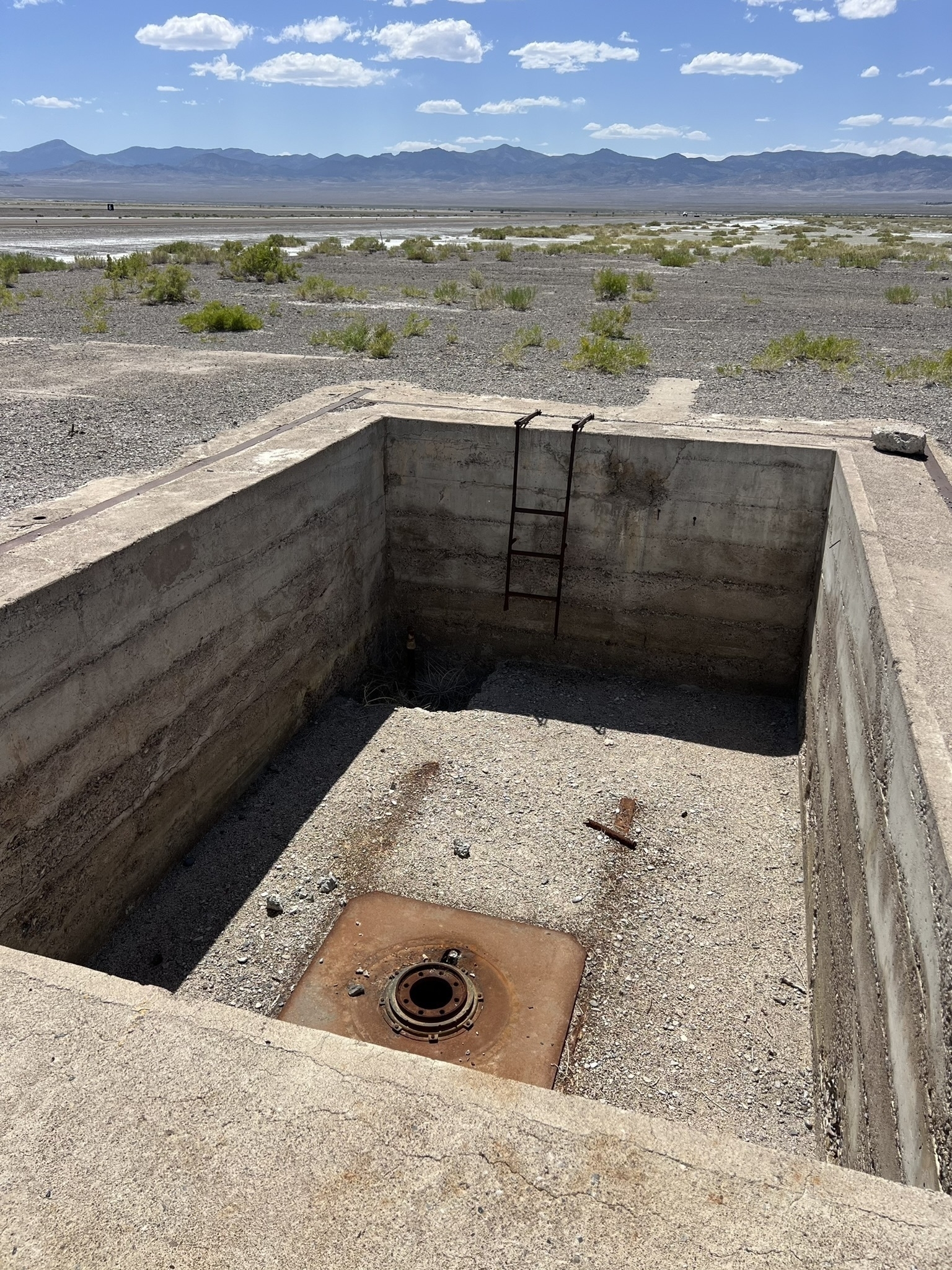
Of course the highlight of tour, for us, was the Enola Gay hanger, which was being used by some young cadets at the time of our visit. Tibbet’s office was on the second floor on the south side of the building; they’re currently renovating it. We also visited the bomb pits where they loaded the bombs onto the B-29s (we saw the corresponding ones in Tinian).
🏷️25.06B