
A visit to PHX's George Washington Carver Museum
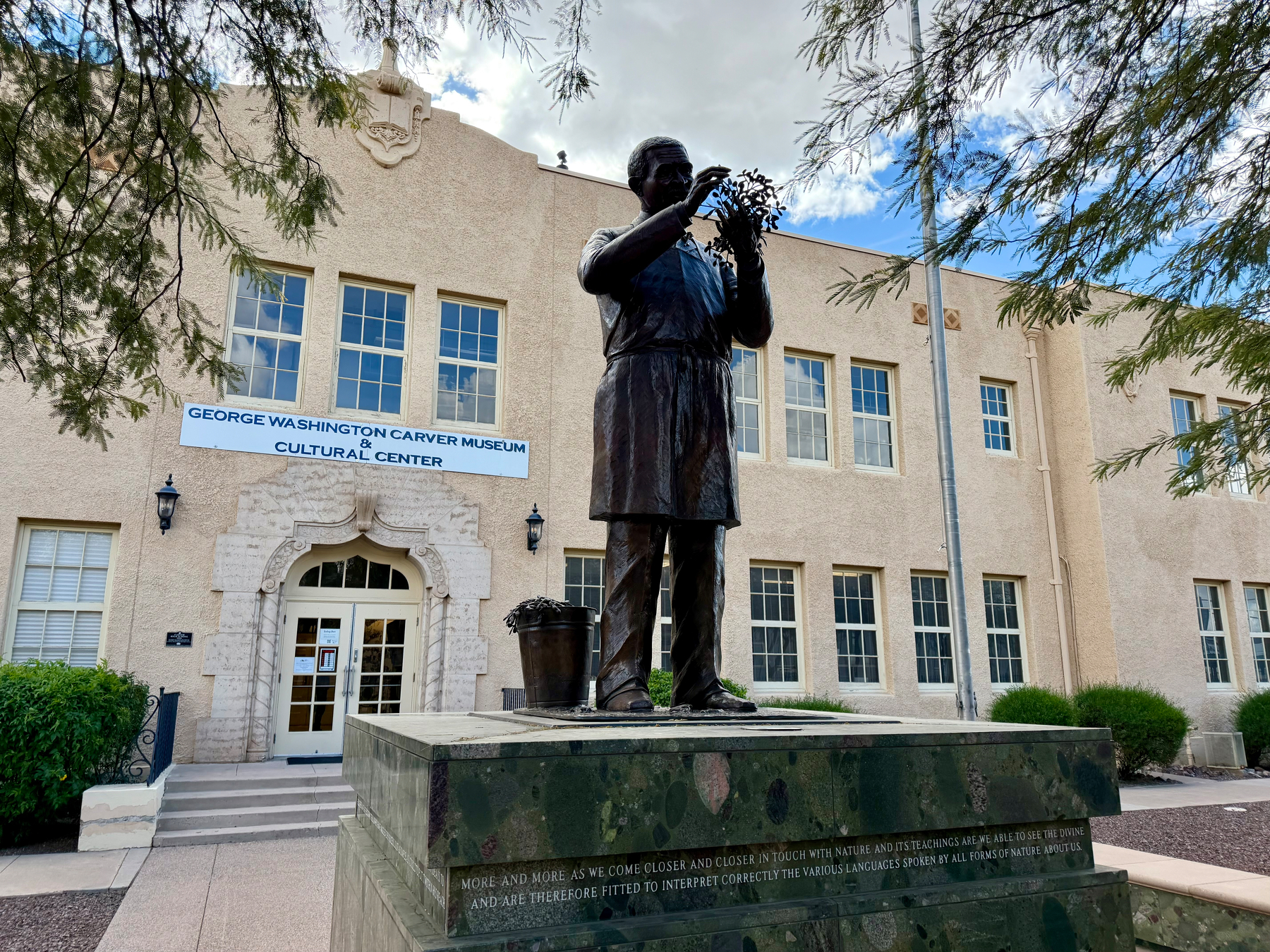
Jen’s Museums of Phoenix quest brought us to the George Washington Carver Museum & Cultural Center1 just south of downtown yesterday. It was my second visit, though the site has been vastly improved since my first time here. In fact, I’d now consider it a local historical gem (side note: discovering stuff like this is exactly the reason we have so many quests).
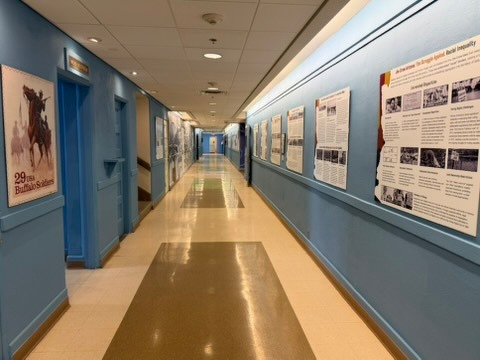
The museum, set in the first segregated high school in the state, features a slew of interpretative panels detailing the civil rights struggle here in Phoenix, with some additional exhibit and event rooms.
There’s also an interior courtyard featuring the sculpture That Which Might Have Been, Birmingham 1963, dedicated to the four black girls killed in the famous church bombing (side note: we’ve visited that site, too).
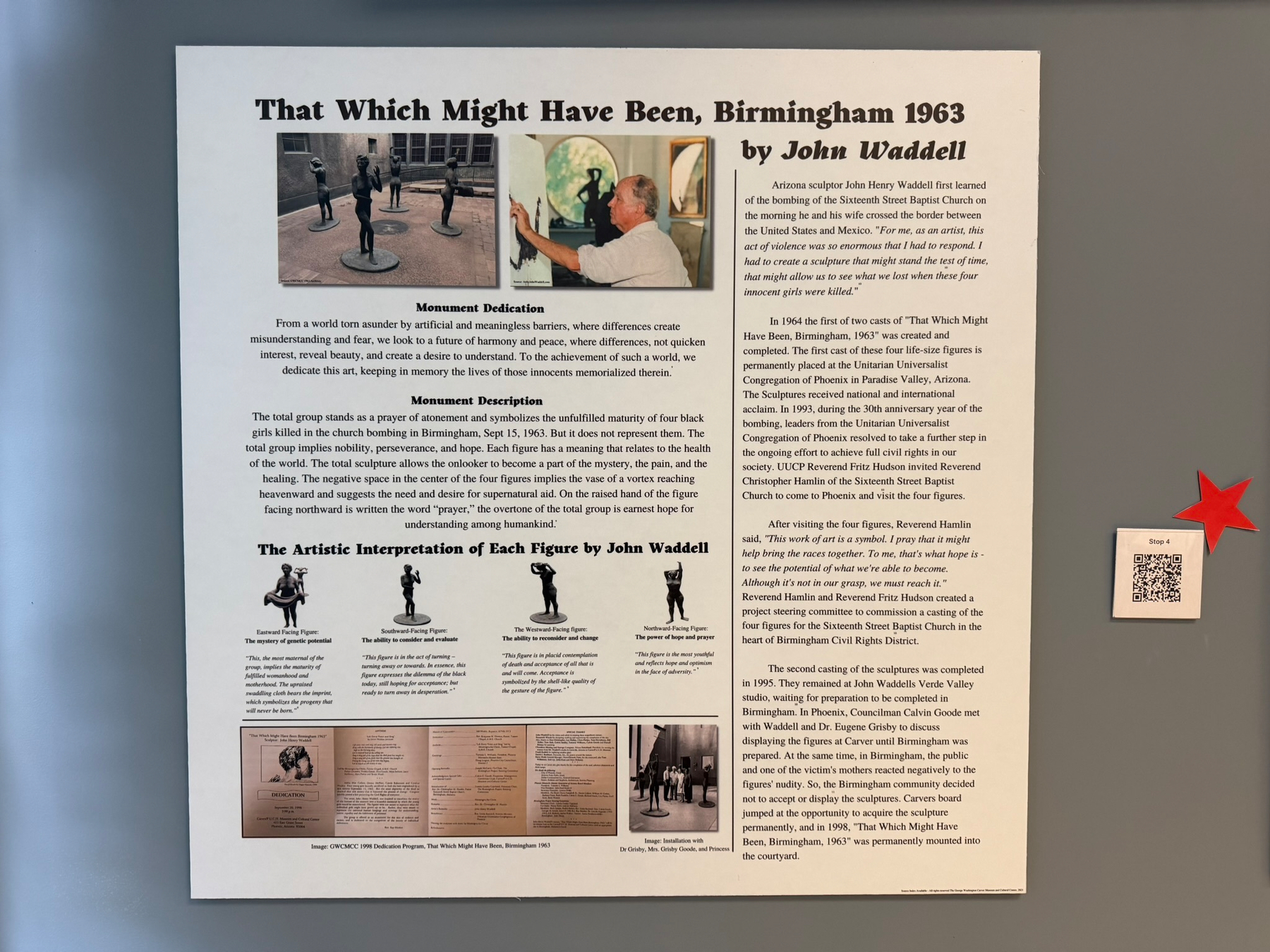
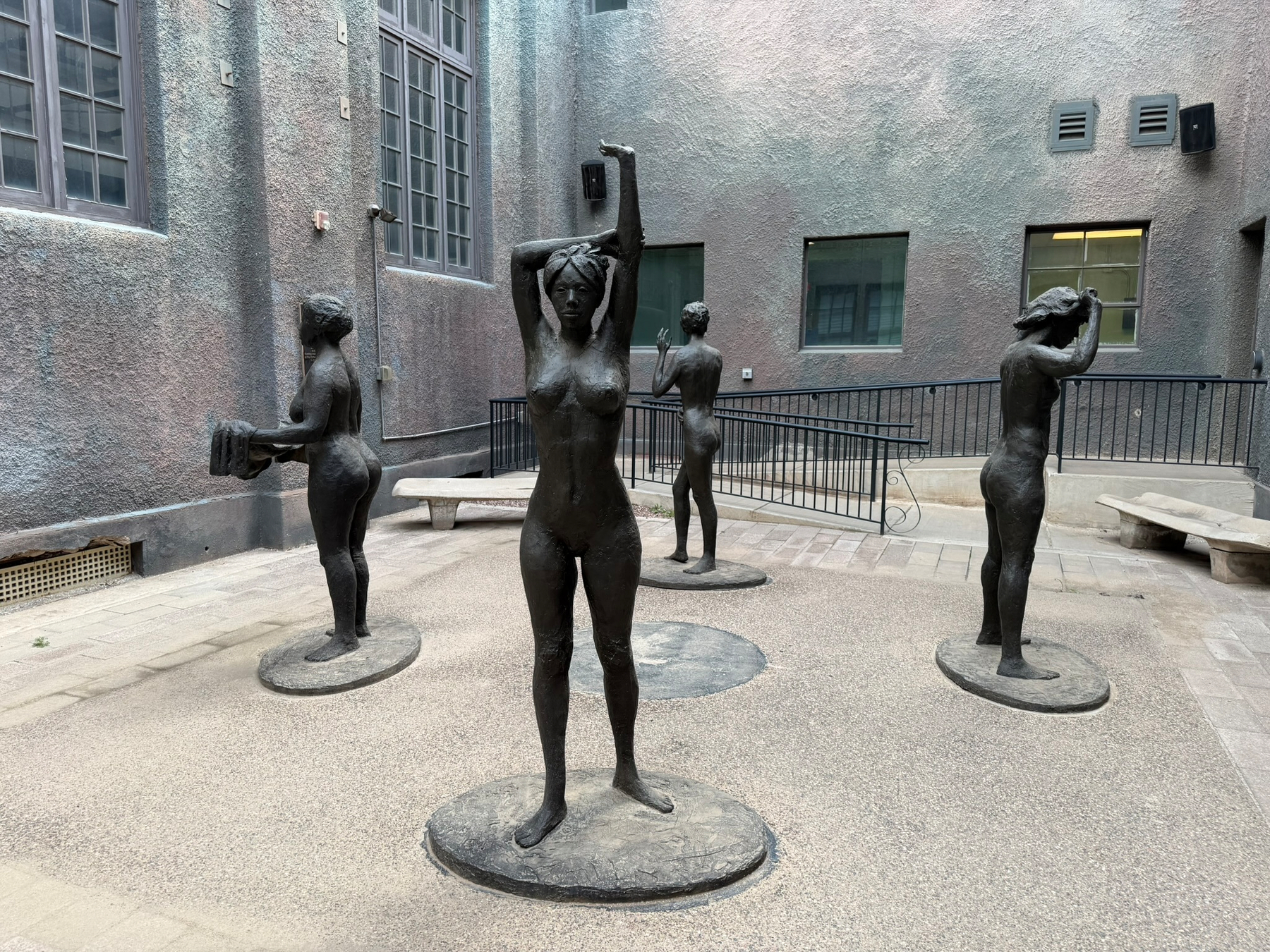
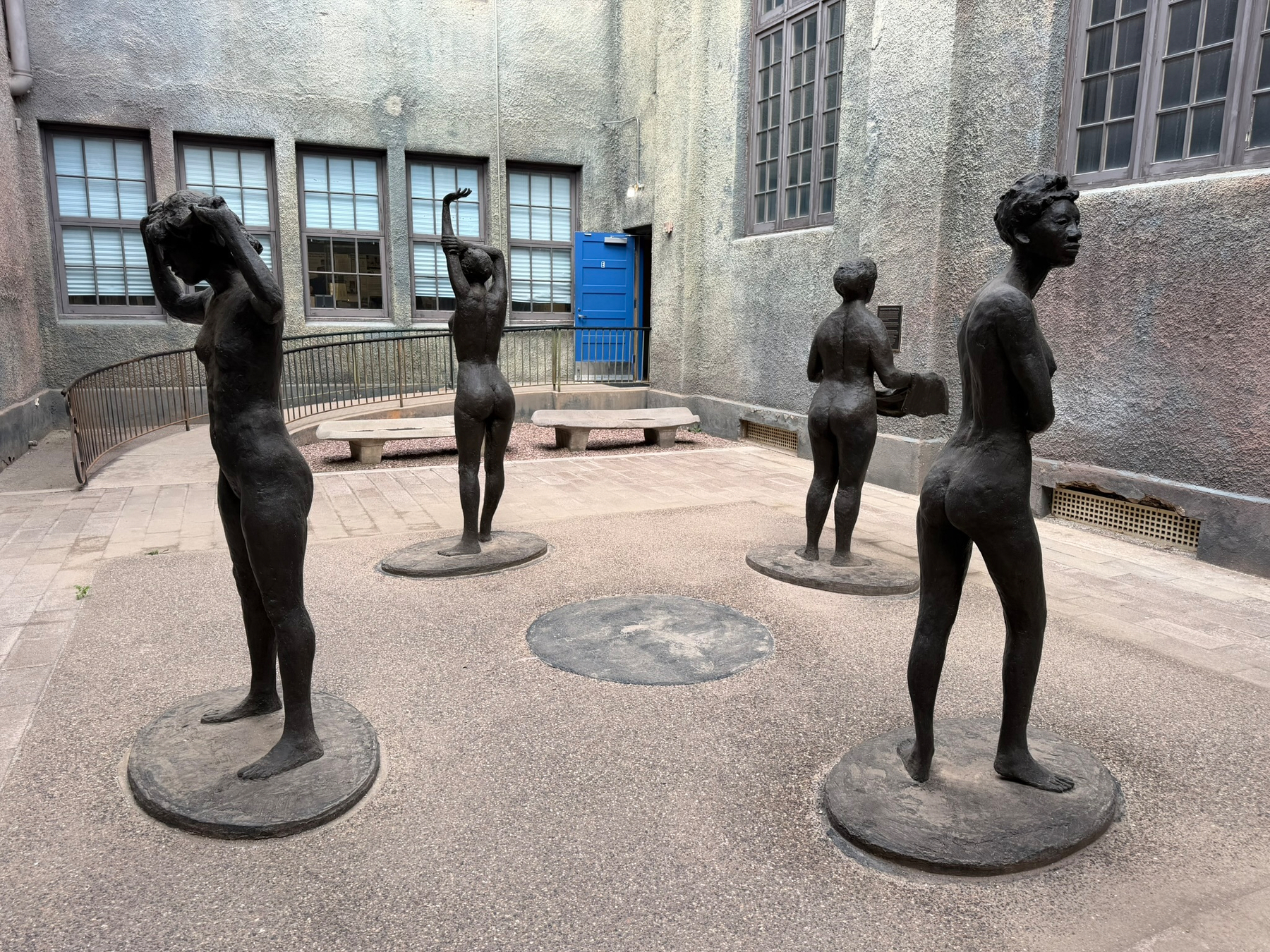
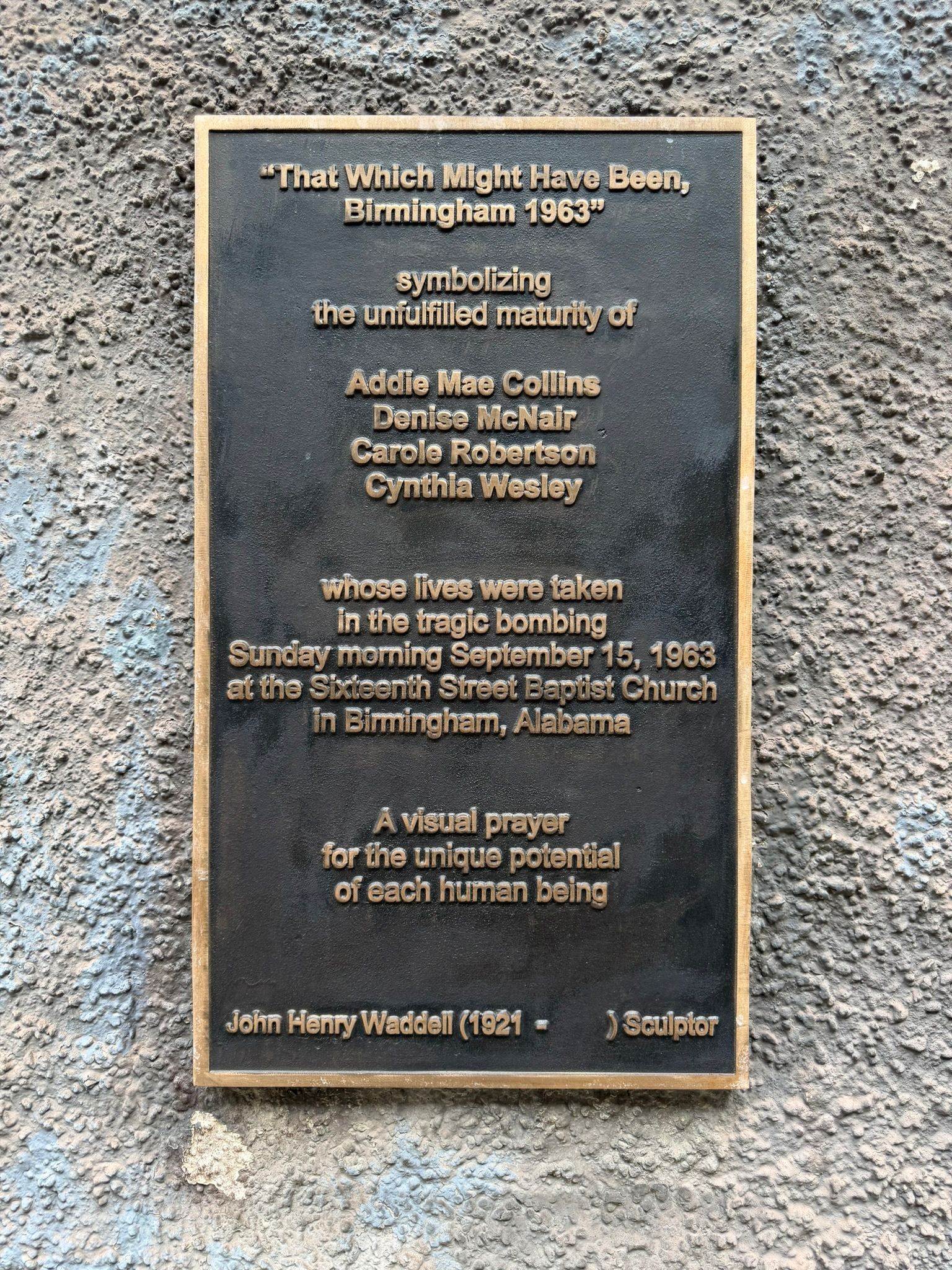
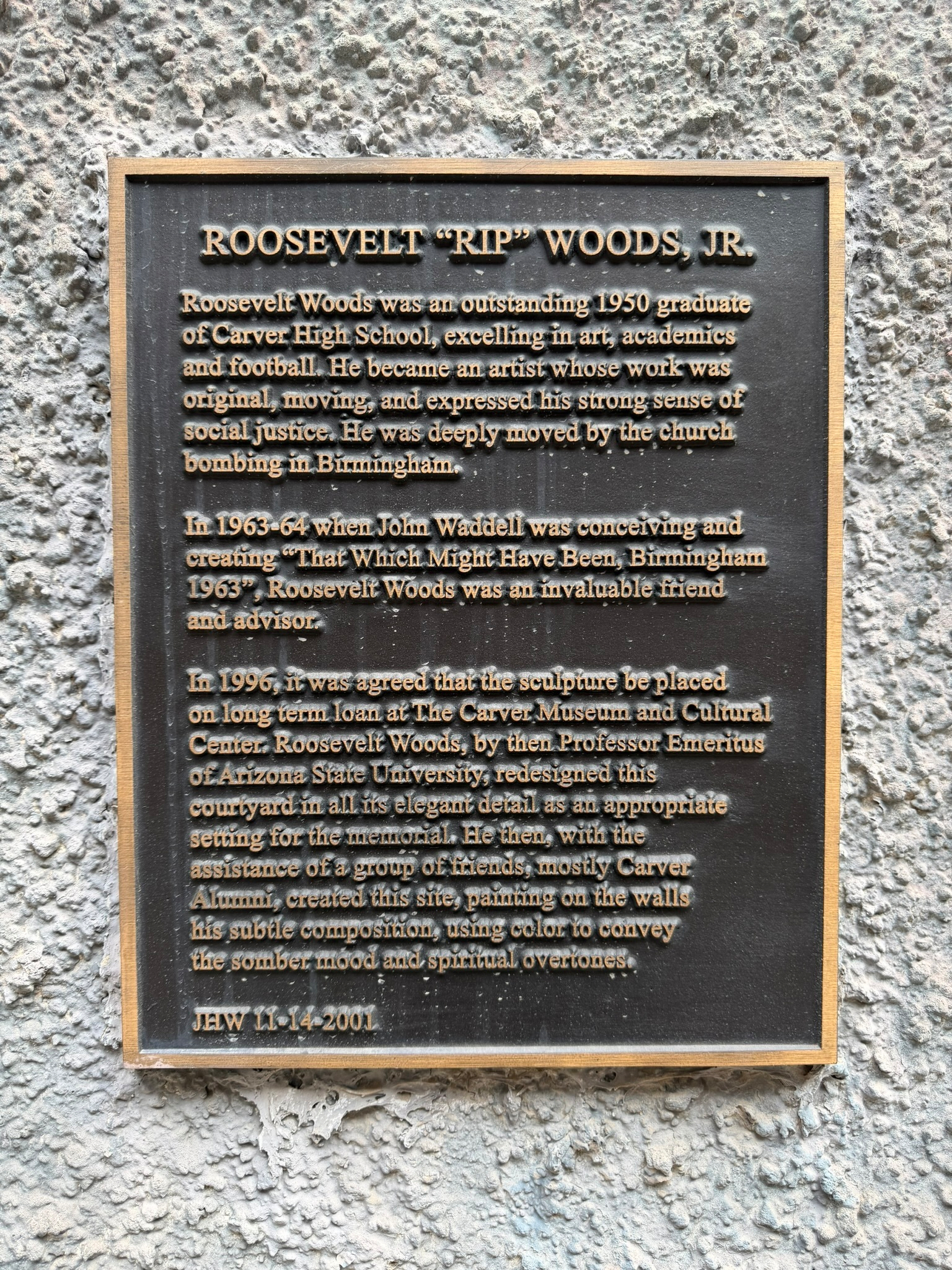
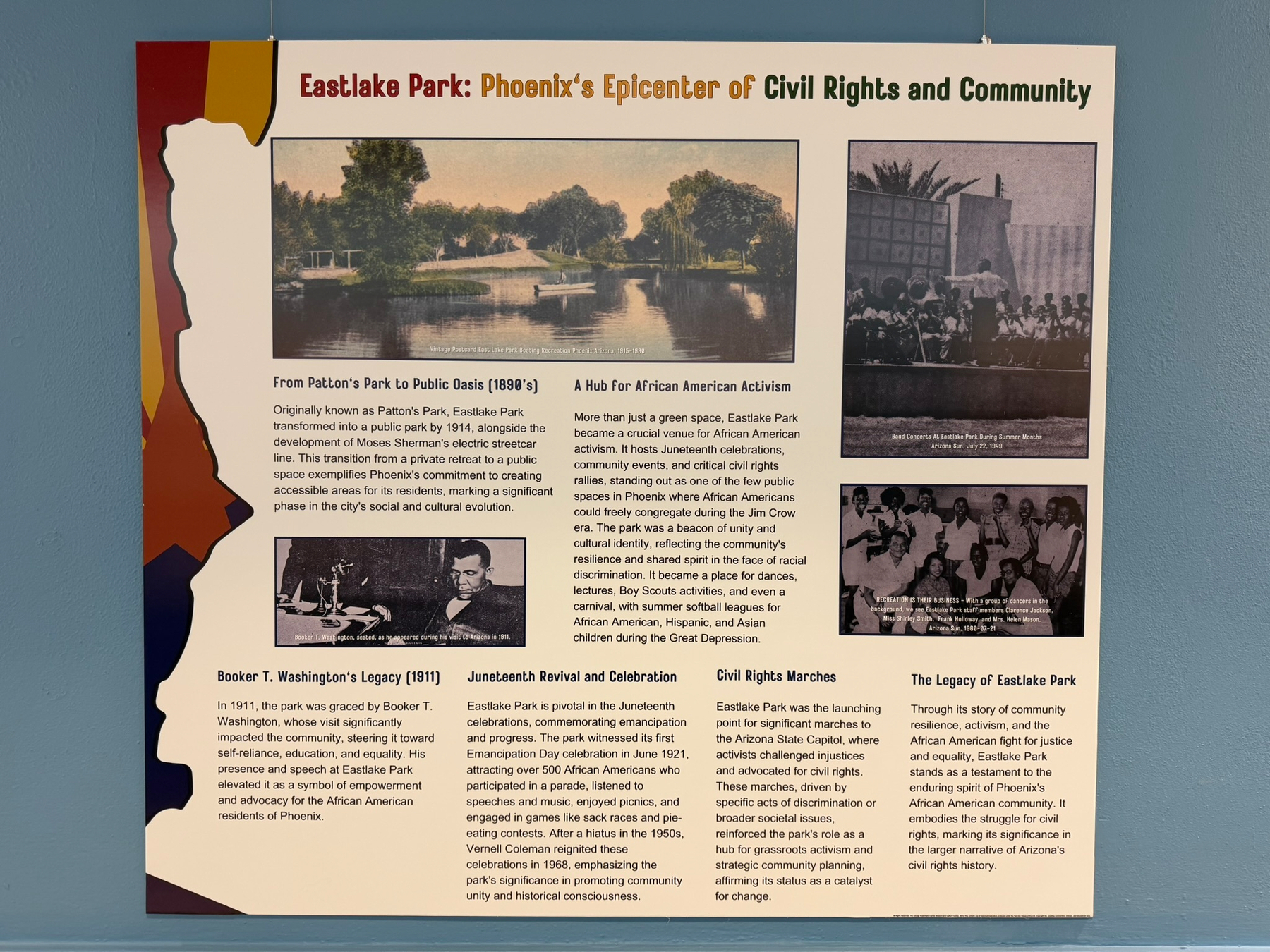
I learned quite a bit here, especially about the local struggle against segregation (including a successful challenge to the system a year before Brown v Board), the centrality of Eastlake Park to the movement, and about a now largely defunct neighborhood known as the Harlem of Phoenix, among other random factoids and episodes.
Check their website for visitor information; apparently, tours must be prescheduled and no walk-ins are allowed, though the museum’s Executive Director was quick to let us in anyway.
-
The historic school had no direct association with George Washington Carver, but was instead renamed after him soon after his death. We’ve been to a number of Carver-related sites, including his birthplace and childhood home (the very first National Park unit dedicated to an Afrcian American), the Tuskegee Institute and its George Washington Carver Museum, and his nearby gravesite. ↩︎